Laboratory Facilities
Mymensingh College of Physiotherapy and Health Sciences is committed to providing students with hands-on learning experiences through well-equipped, modern laboratory environments. Our laboratories support practical skill development, promote scientific understanding, and ensure that students are fully prepared for clinical and professional practice.
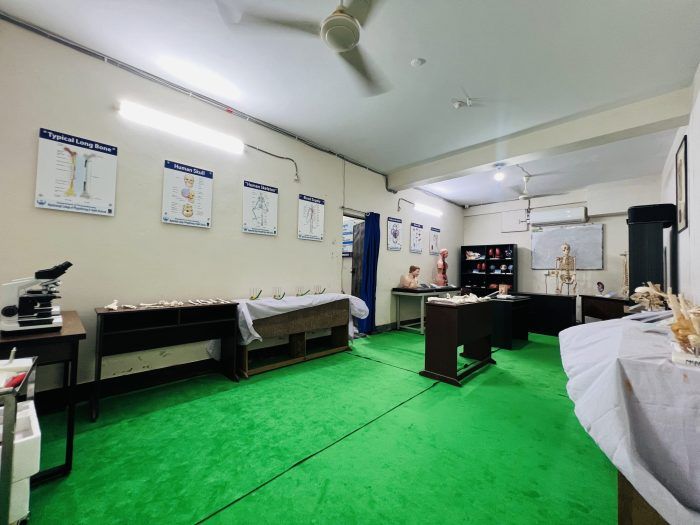
Anatomy & Physiology Laboratory
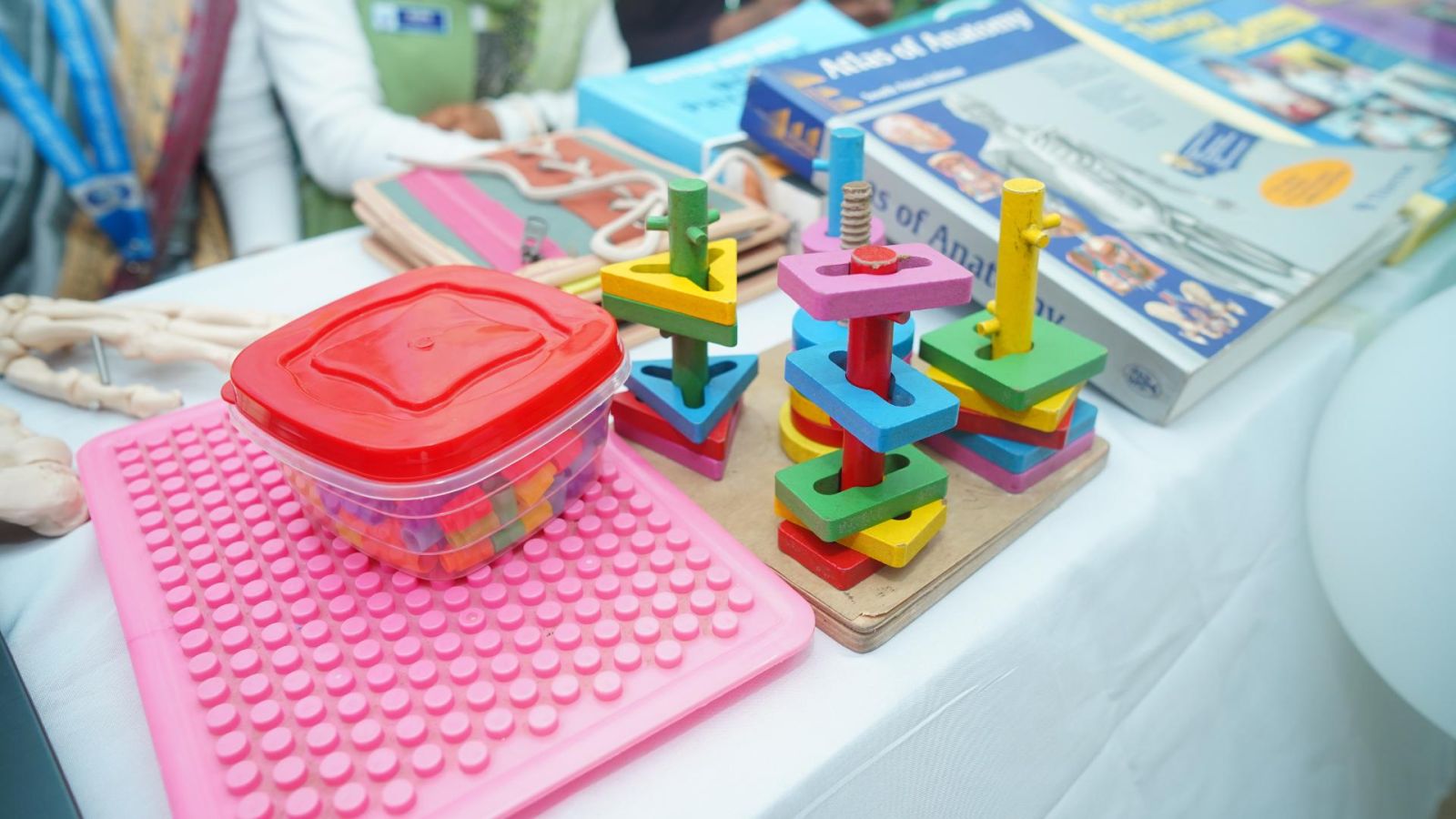
The Anatomy & Physiology Laboratory serves as a foundational learning space where students explore the structure and functions of the human body in a highly interactive environment. The lab is equipped with anatomical models, charts, skeletons, and physiological testing tools that help students visualize and understand complex bodily systems. Through guided demonstrations and practical exercises, learners gain essential insight into musculoskeletal and systemic functions, laying a strong academic base for advanced clinical courses. The laboratory environment encourages curiosity and detailed study, making it a vital component of the early stages of physiotherapy education.
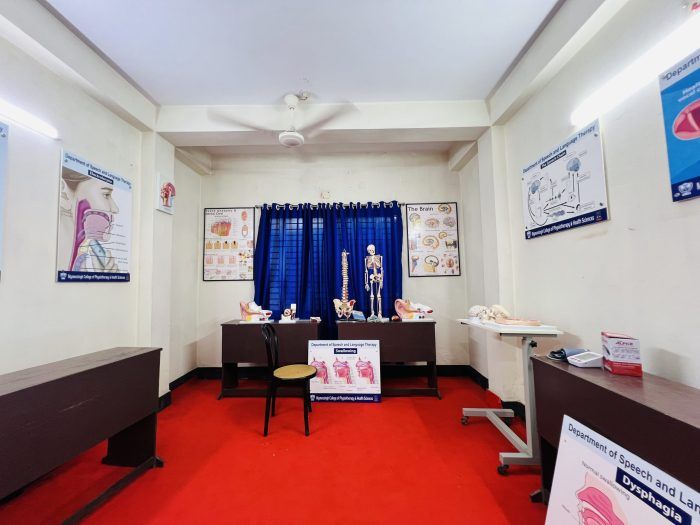
Communication & Swallowing Laboratory
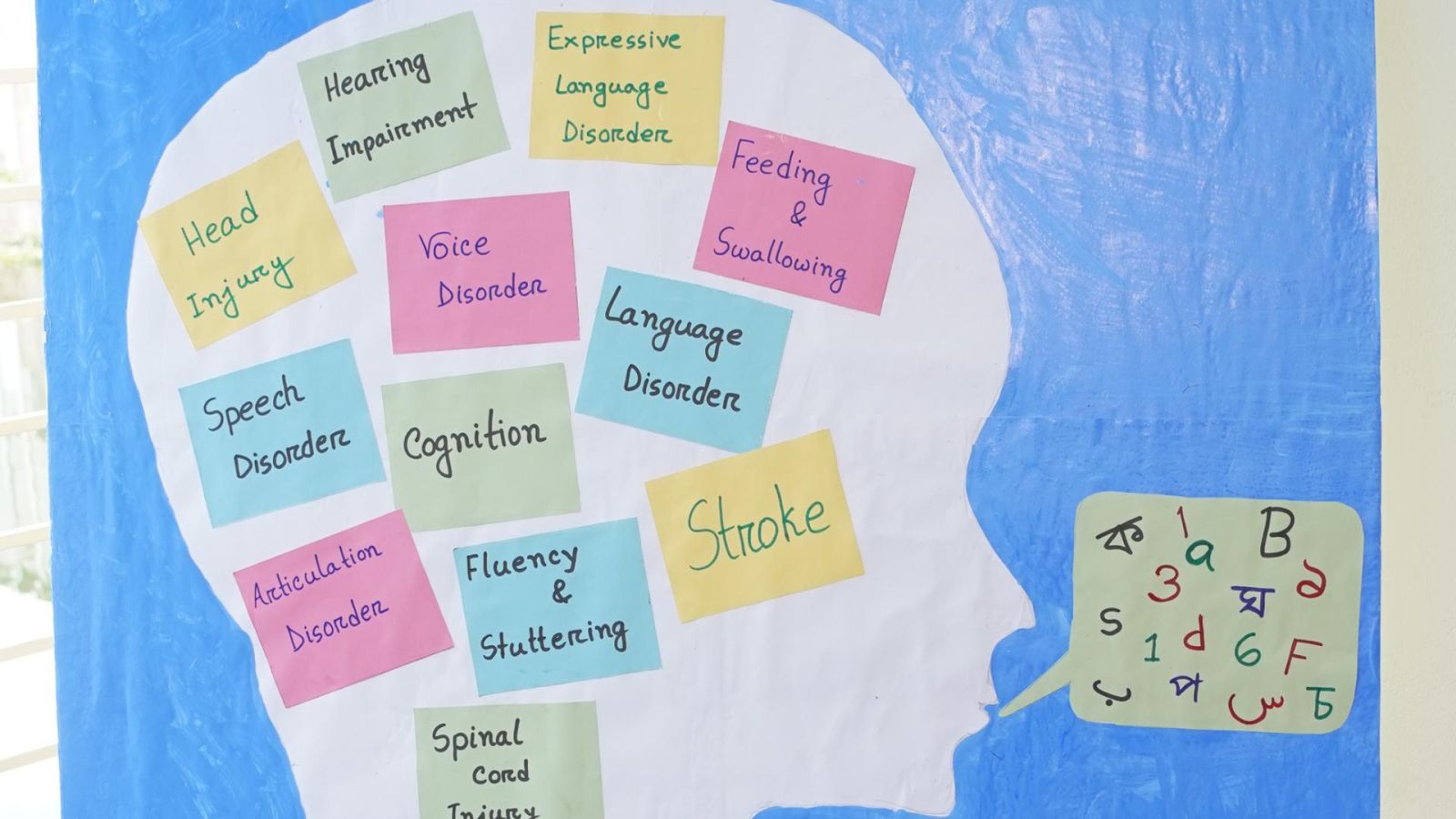
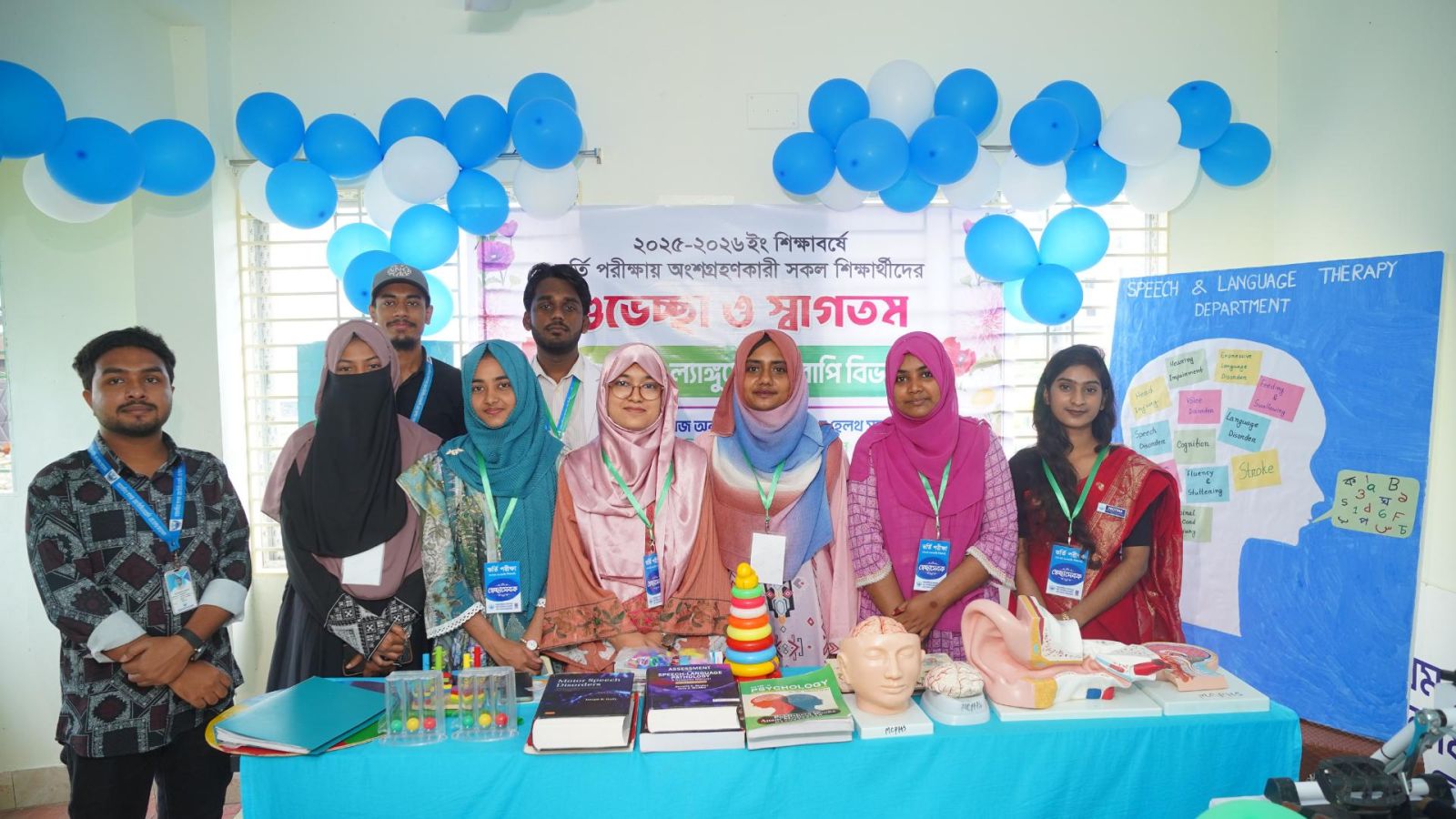
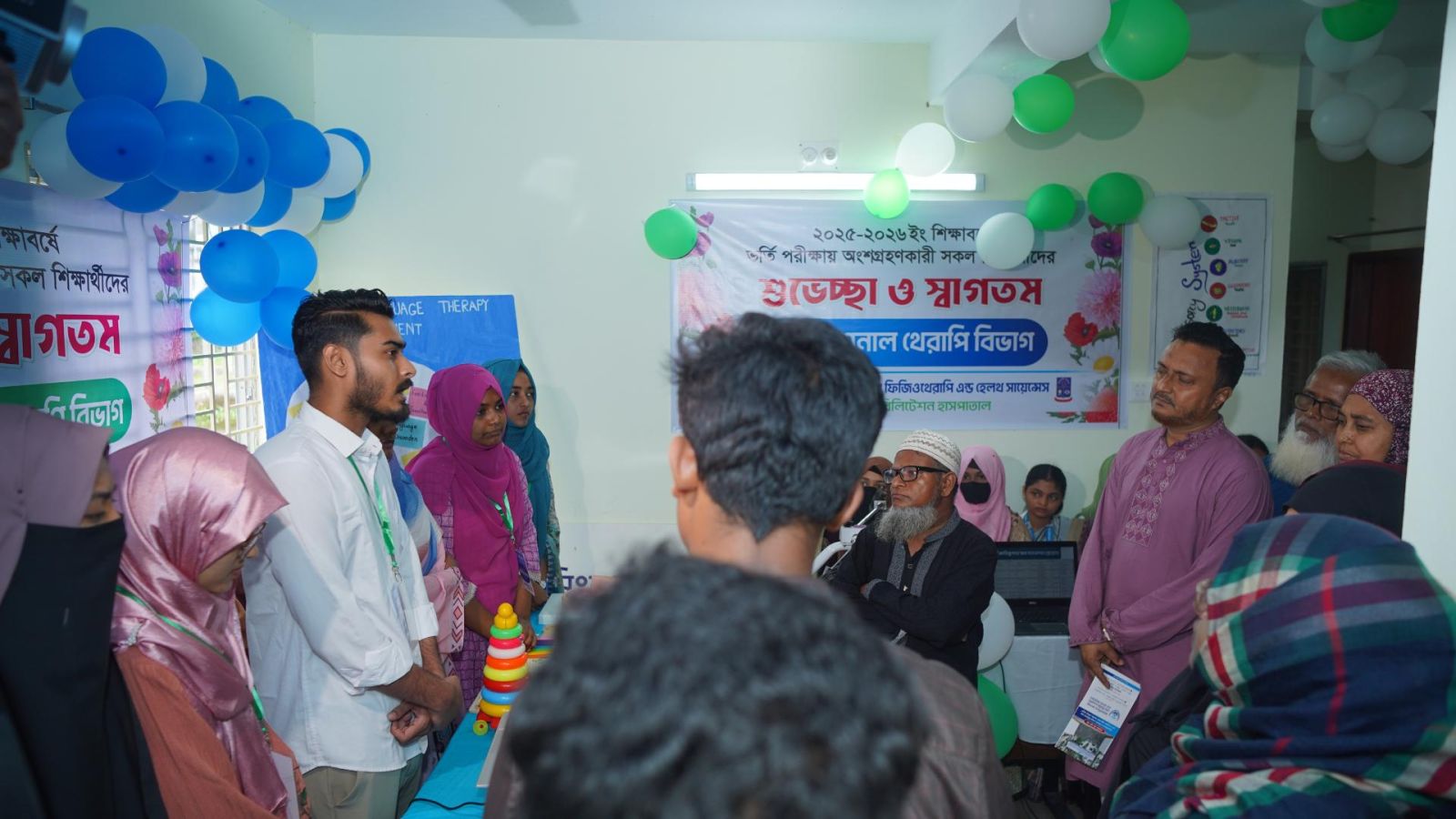
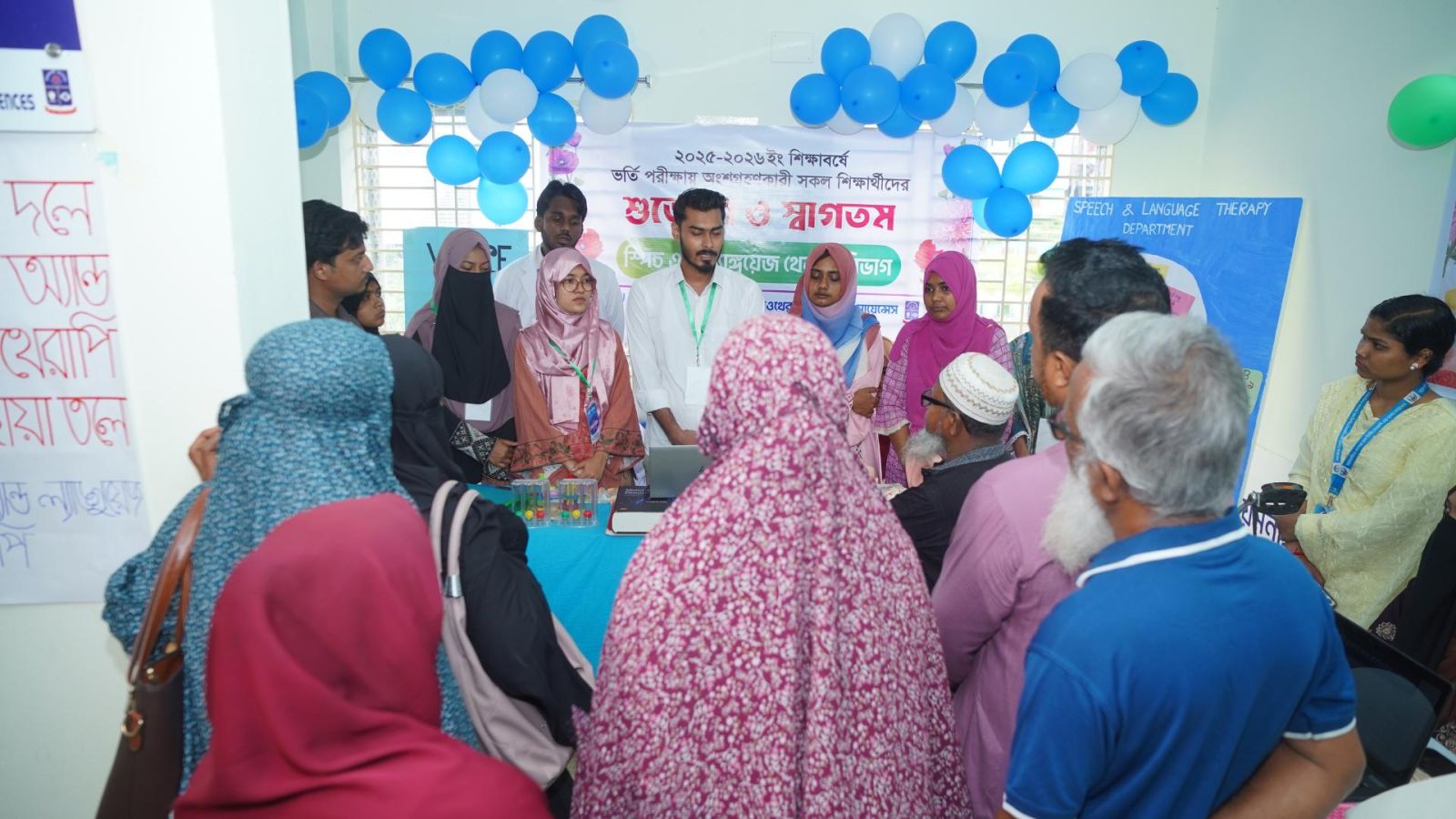
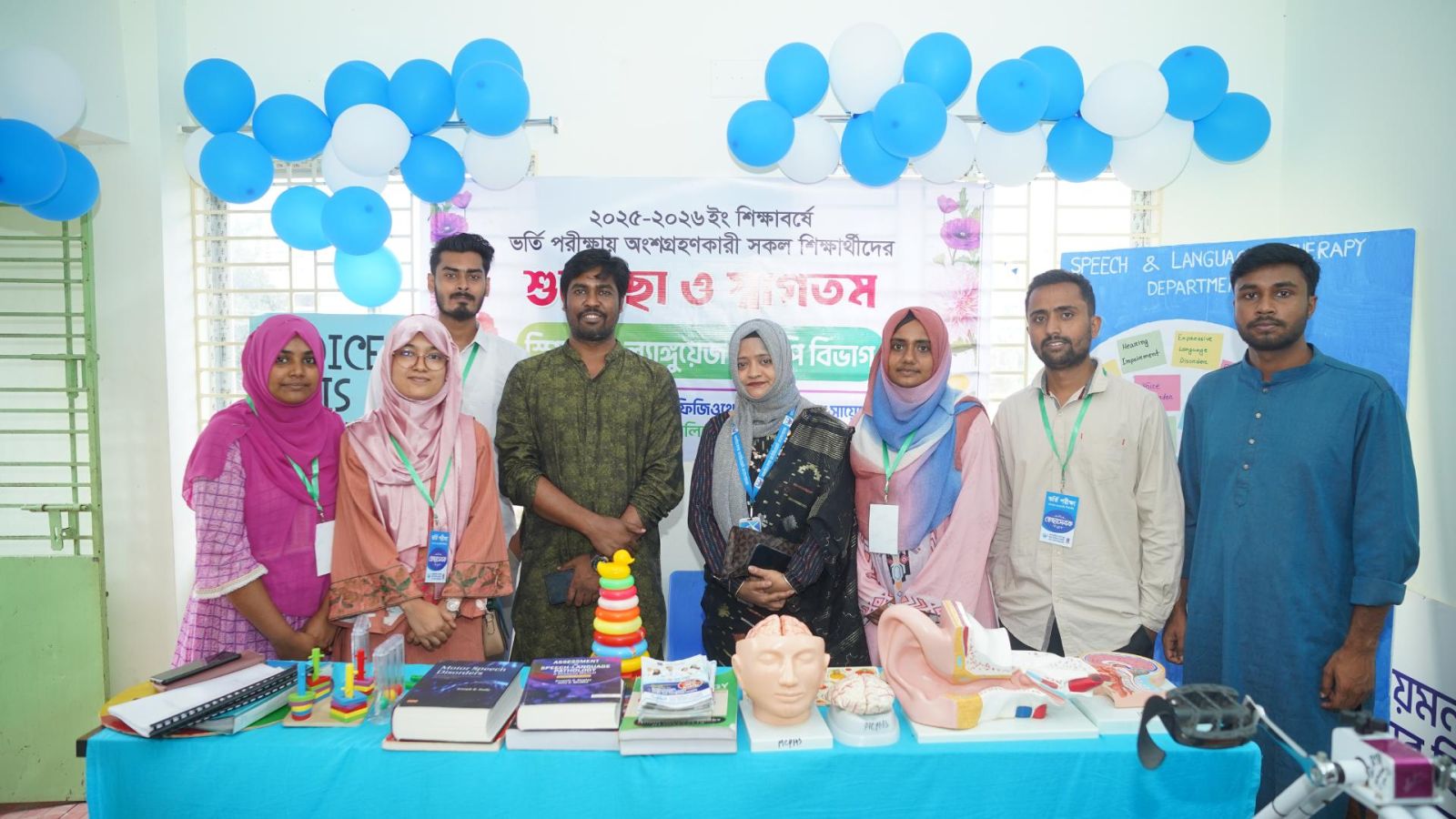
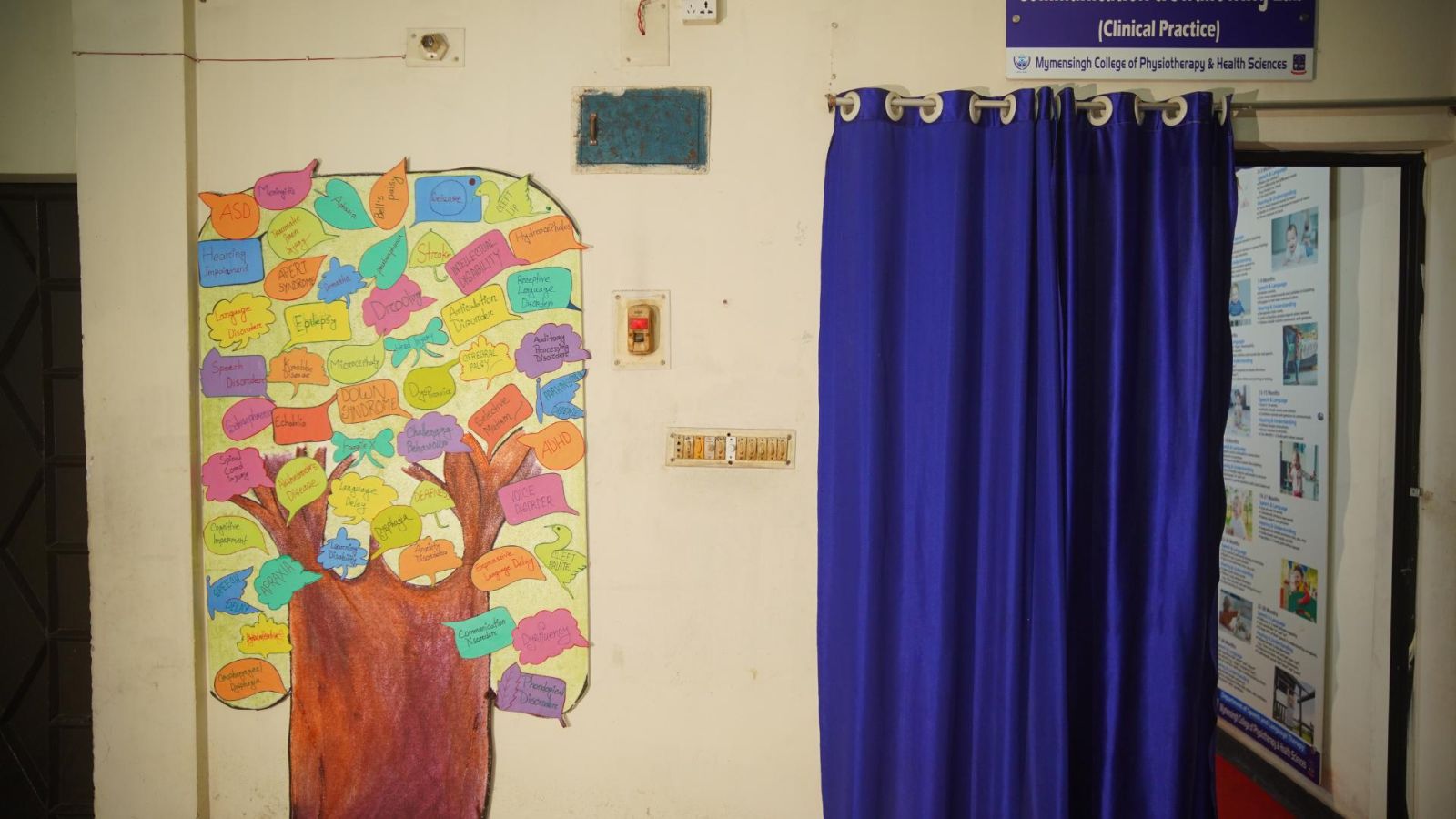
Our Communication & Swallowing Laboratory provides a specialized setting for students to study speech, hearing, and swallowing-related functions. This lab supports practical training in evaluating communication difficulties, understanding speech mechanisms, and observing swallowing patterns across different age groups and conditions. Modern tools and interactive training modules help students build competencies in screening, assessment, and basic therapeutic approaches. The environment promotes a patient-centered understanding of communication and feeding challenges, preparing learners to collaborate effectively within multidisciplinary healthcare teams.
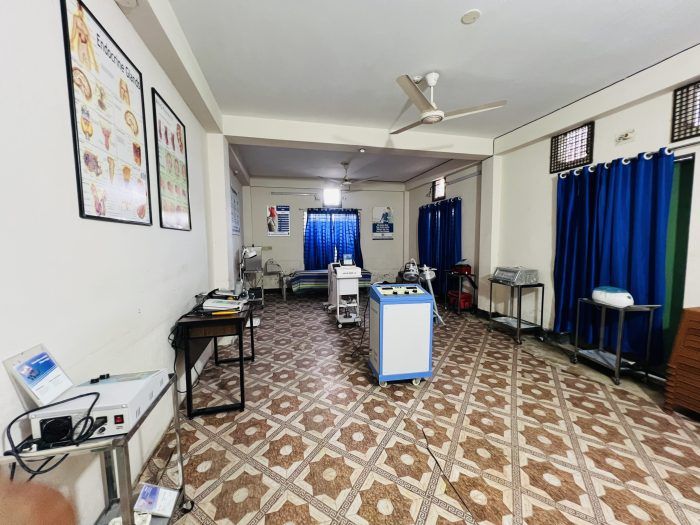
Electrotherapy Laboratory
The Electrotherapy Laboratory is designed to train students in the therapeutic use of electrical modalities for pain management, muscle re-education, and rehabilitation. Equipped with modern devices such as ultrasound therapy units, TENS machines, interferential therapy systems, and other electro-medical equipment, the lab enables students to practice safe and effective modality application under supervision. Emphasis is placed on evidence-based techniques, safety protocols, and clinical reasoning, ensuring students develop strong practical skills alongside theoretical understanding. This laboratory plays a crucial role in preparing future physiotherapists for diverse clinical settings.
Assessment
- Written examinations
- Oral and practical exams
- Course work and presentations
- Clinical skills evaluation and competencies
- Group assignments and projects
Minimum Requirement: 50% pass marks in each subject and method; at least 80% class attendance to be eligible for examinations.
Learning Outcomes
Upon completion, graduates will be able to:
- Assess, diagnose, and manage individuals with communication disorders.
- Design and implement evidence-based intervention programs.
- Communicate effectively with clients, families, and multidisciplinary teams.
- Demonstrate professional ethics and engage in continuous professional development.